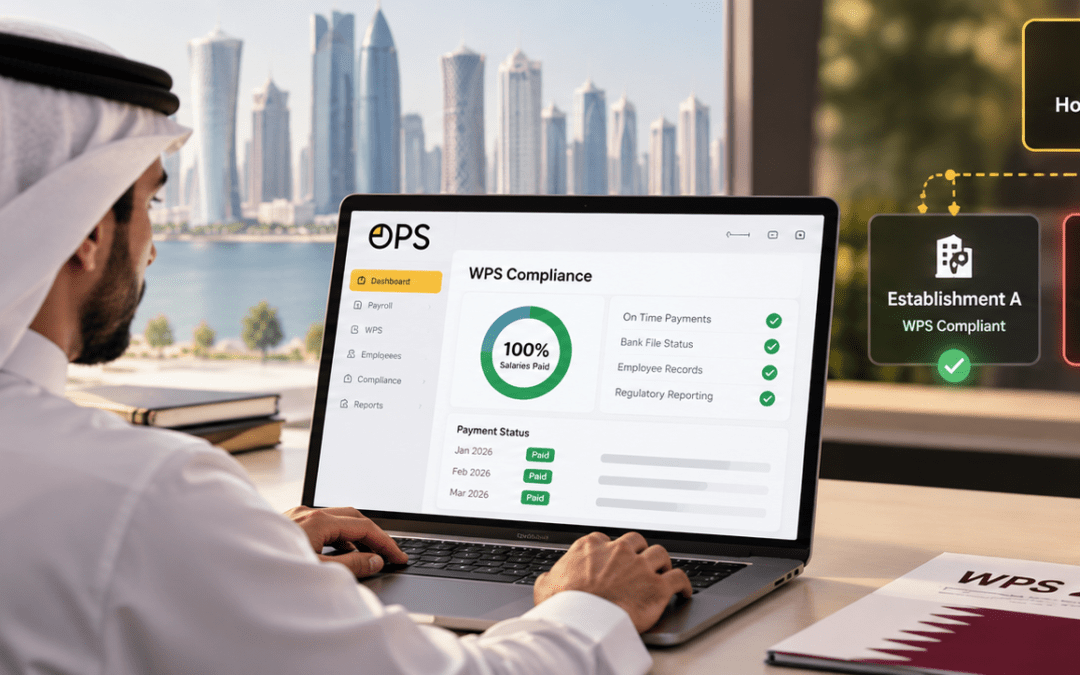
Qatar Wage Protection System 2026 briefing from OPS — Outsourced Payroll SolutionsWhat changed in the Qatar Wage Protection System 2026?Short answer: Two things changed, and they are separate. Law No. 9 of 2026 added Article 146 bis, an administrative power letting...
What does payroll outsourcing cost in the UAE, and how does it compare with an in-house team?Short answer: The payroll outsourcing cost UAE question only makes sense against a full in-house figure, and most in-house figures are too low because they price the payroll...
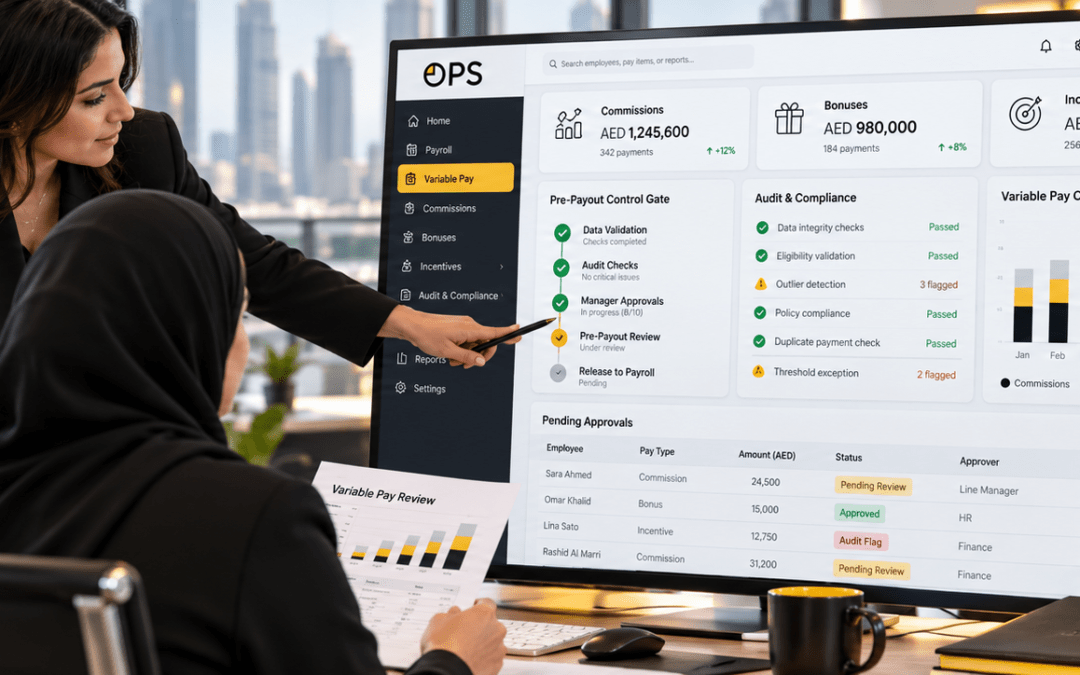
Variable pay payroll audit briefing from OPS — Outsourced Payroll Solutions What is a variable pay payroll audit? Short answer: A variable pay payroll audit checks every commission, bonus or incentive payment against the employment contract, the incentive plan and any...
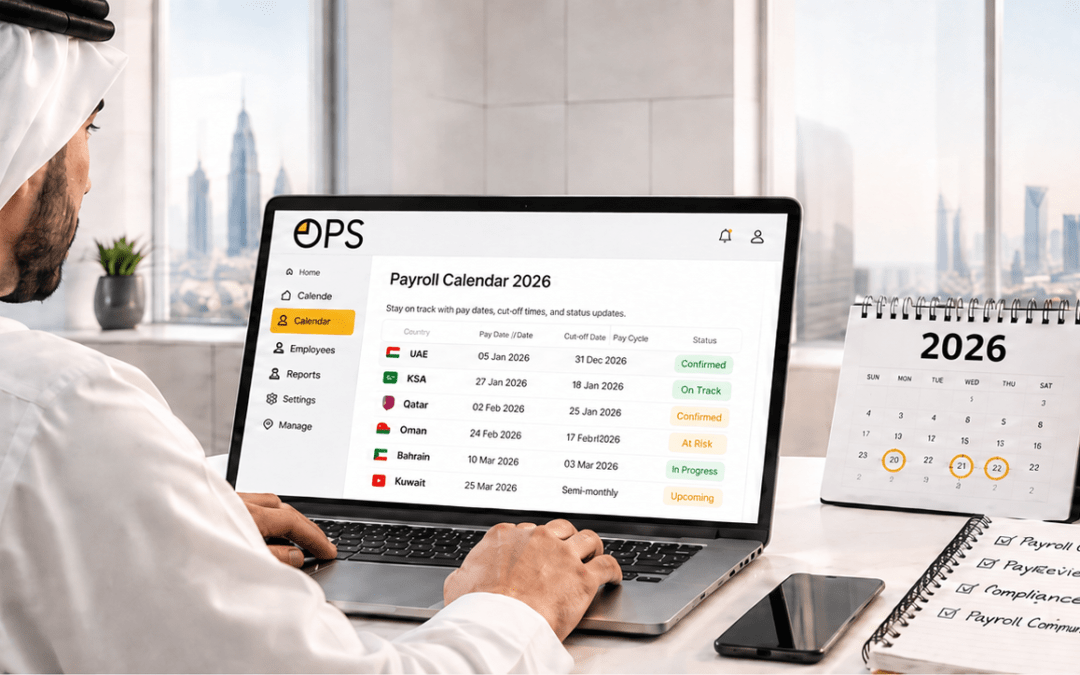
GCC payroll deadlines 2026 briefing from OPS — Outsourced Payroll Solutions What are the payroll deadlines across the GCC in 2026? Short answer: The GCC payroll deadlines 2026 fall into 2 separate categories that are often confused. The wage-payment deadline is when...
Nafis pension changes 2026 compliance briefing from OPS — Outsourced Payroll SolutionsShort answer: From September 2026, the Nafis pension changes 2026 remove the government top-up that previously reduced or phased in a private-sector employer’s share of GPSSA...
Short answer: Under UAE Corporate Tax, your UAE corporate tax payroll records are not just a monthly cost line they are evidence. Payroll records need to show that salary costs are real, properly documented, correctly attributed to the right entity and tax period, and...